September 9, 2026
Paved surfaces are essential components of any well-maintained property, providing safe and functional driveways, parking lots, and walkways. Continuous exposure to weather, traffic loads, and natural ground settling causes gradual wear on asphalt and concrete surfaces. Routine maintenance helps preserve surface integrity, but severe structural damage requires specialized expertise. Knowing when to hire a professional paving contractor is key to preventing minor defects from becoming structural hazards. Addressing issues early ensures long-term safety, functionality, and visual appeal across your property.
Ignoring early signs of surface degradation leads to widespread destruction that threatens your property's subgrade foundation. Timely professional repairs preserve aesthetic appearance while maintaining safe conditions for pedestrians and vehicles. Expert evaluations ensure underlying issues, such as subgrade instability or improper drainage, are accurately diagnosed and corrected. Understanding key warning signs allows property owners to make informed decisions regarding necessary maintenance. Partnering with a skilled service team guarantees efficient execution and durable results that protect your paved surfaces for years.
1. Recognize Cracks in the Pavement
Cracks are among the most frequent indicators that your driveways or walkways require expert attention. Surface fissures appear in various forms, including fine hairline cracks, straight longitudinal fissures, and alligator cracking patterns. Hairline cracks begin as simple surface imperfections caused by temperature shifts and traffic exposure. When left unsealed, water seeps into these tiny openings, weakening the underlying structural foundation over time. Alligator cracking, which resembles reptile skin, typically indicates severe subbase failure beneath the surface layer.
Environmental elements like freeze-thaw cycles and moisture saturation accelerate the deterioration of asphalt and concrete. As trapped water repeatedly expands within surface openings, it forces cracks to widen across larger areas. Temporary do-it-yourself fixes offer brief visual improvement, but they fail to resolve deep underlying subbase defects. Hiring a qualified paving contractor ensures a comprehensive assessment of the damage and a customized repair strategy. Professional restoration restores full load-bearing strength and prevents further structural breakdown across your entire property.
2. Identify Uneven Pavement Surfaces
Uneven surfaces present serious structural hazards and safety risks on residential and commercial properties. Visual indicators of unevenness include noticeable ground depressions, raised bulges, and subtle surface waves along driveways, parking areas, or pathways. These irregular formations disrupt smooth vehicle transit and create dangerous tripping obstacles for pedestrians. Low spots accumulate standing water, which penetrates the upper layer and degrades subbase material. Detecting surface irregularities early helps prevent accidental injuries and stops minor dips from expanding into widespread subbase instability.
Irregular pavement surfaces stem from improper installation, soil shifting, heavy equipment loads, or subgrade drainage problems. When underlying soil layers settle unevenly, the rigid top layer bends and fractures under continuous traffic stress. According to IBISWorld, the United States features 139,000 businesses operating within the paving contractors industry, demonstrating the vast network of specialized expertise available to correct these structural defects. Relying on an experienced paving contractor guarantees that foundational soil issues are properly remediated, restoring a level and resilient surface.
3. Address Drainage and Pooling Water
Standing water on paved surfaces indicates improper slope grading or compromised drainage systems. When storm runoff cannot drain effectively, deep water pools accumulate in low-lying sections of parking lots, walkways, and access roads. Continuous water saturation breaks down binding agents holding asphalt aggregate together, leading to severe surface soft spots and crumbling. Severe water accumulation allows moisture to penetrate deep into the foundation layer, drastically reducing structural stability. Prompt expert inspection is necessary to pinpoint the source of pooling water and implement slope corrections.
Unresolved moisture accumulation leads to severe progressive damage during cold weather seasons when standing water freezes solid. Moisture trapped within surface pores expands as ice forms, widening existing cracks and creating internal structural voids. To resolve persistent drainage issues, an expert paving contractor can regrade affected sections, install catch basins, or apply protective sealants to block liquid penetration. Proper surface regrading ensures rainwater flows smoothly toward designated drainage outlets. Prioritizing expert drainage correction protects your paved areas from premature structural failure.
4. Repair Deteriorating Pothole Formations
Potholes represent an advanced phase of surface breakdown that demands swift physical intervention from skilled technicians. These deep surface depressions form when moisture penetrates existing pavement cracks, degrades supporting subbase soil, and collapses under vehicle weight. As vehicle traffic continues passing over these unsupported hollow spaces, brittle asphalt breaks away, resulting in expanding hazardous holes. Potholes enlarge rapidly if left uncorrected, posing severe damage risks to vehicle tires, alignment, and suspension systems. Prompt structural intervention stops pothole expansion and restores a seamless driving surface.
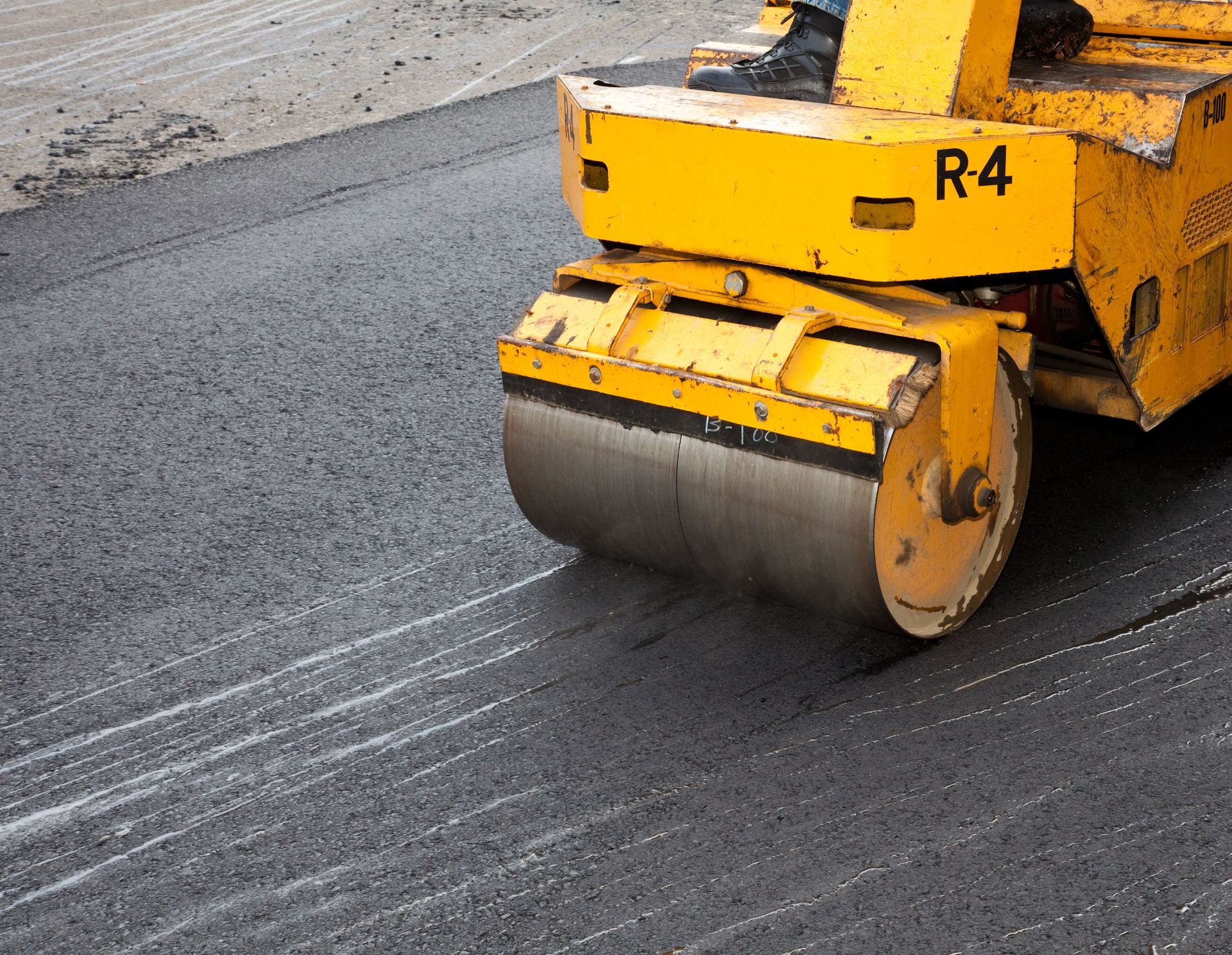
Temporary fixes like cold mix asphalt patches offer short-term relief, but fail to resolve deep underlying subbase failure. Lasting pothole restoration requires full-depth structural repair, which involves removing damaged materials, stabilizing the base foundation, and installing fresh asphalt. Enlisting a professional paving contractor guarantees that damaged sections are excavated, cleaned, and packed using commercial compaction machinery. Experienced specialists ensure seamless joint bonding between new and existing surface layers, producing a durable repair that withstands heavy, continuous vehicle traffic without unraveling.
5. Restore Fading Pavement Color
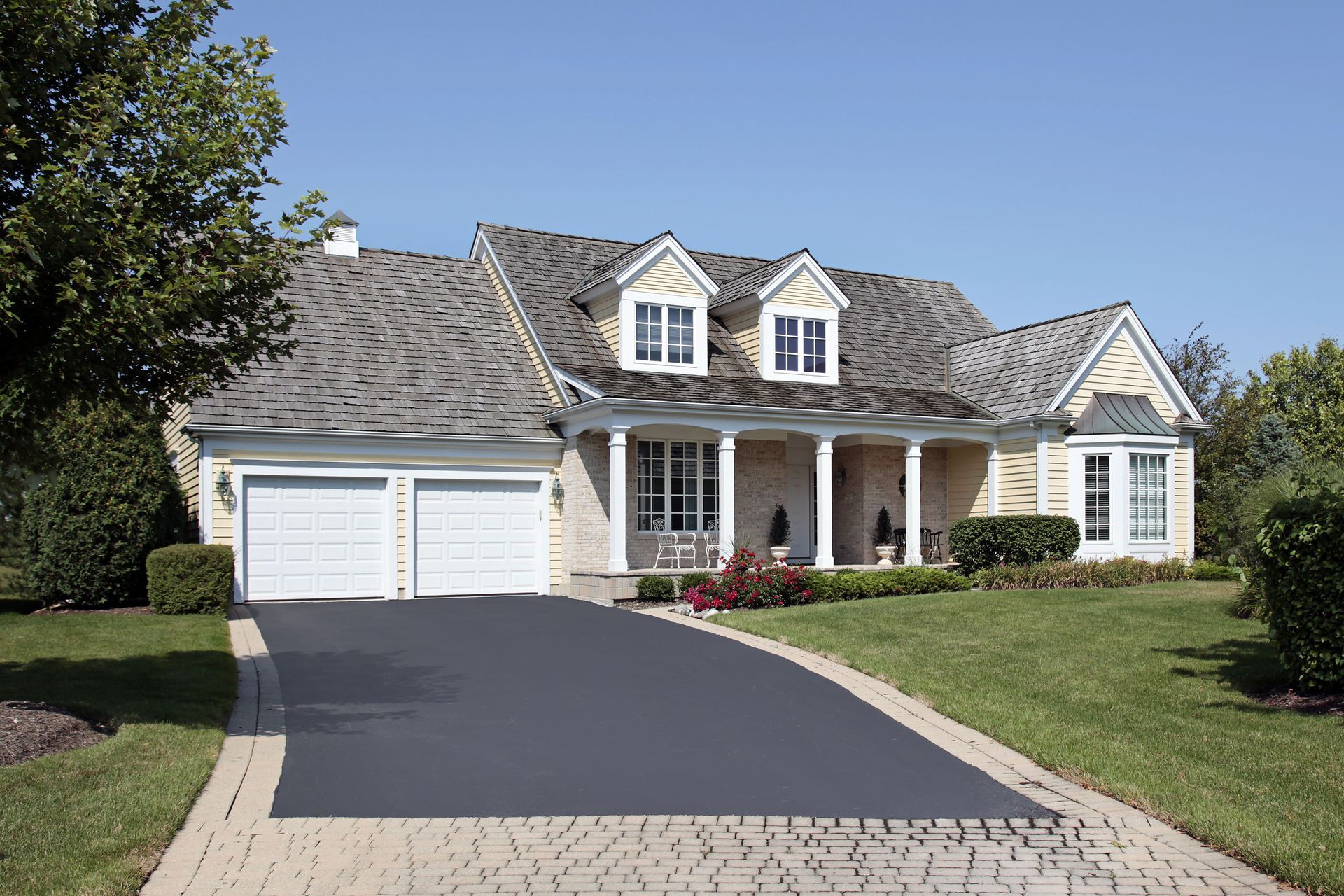
Fading pavement color is more than a simple aesthetic concern; it serves as a reliable indicator of active asphalt oxidation. Fresh asphalt naturally exhibits a deep black color, but continuous exposure to ultraviolet sun rays, weather, and fluid spills turns the surface dull gray. This color change indicates that vital binding oils within the asphalt mixture are drying out, causing the material to become brittle. As surface brittleness increases, pavement becomes significantly more susceptible to widespread cracking, surface raveling, and moisture penetration under everyday vehicle usage.
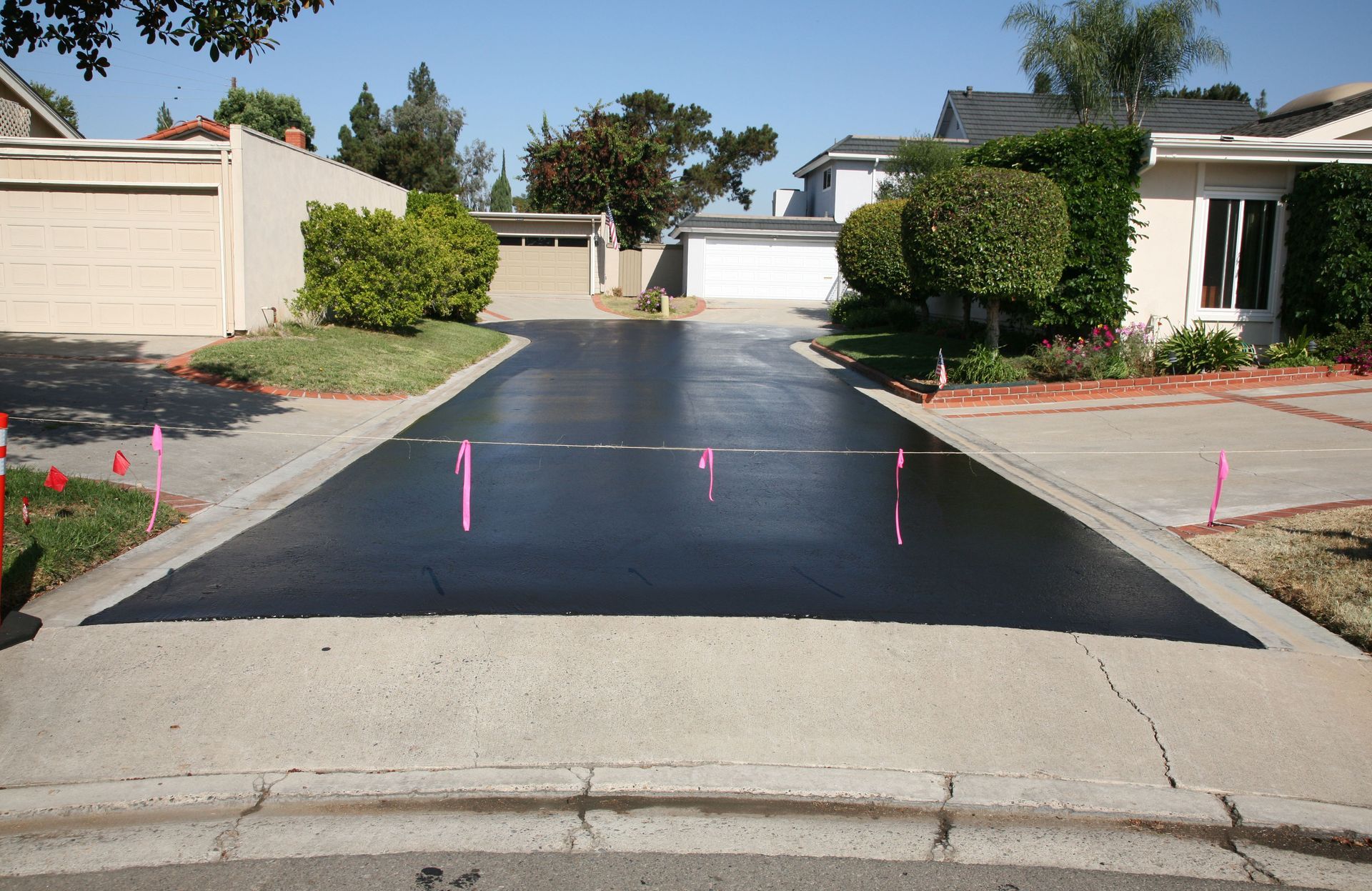
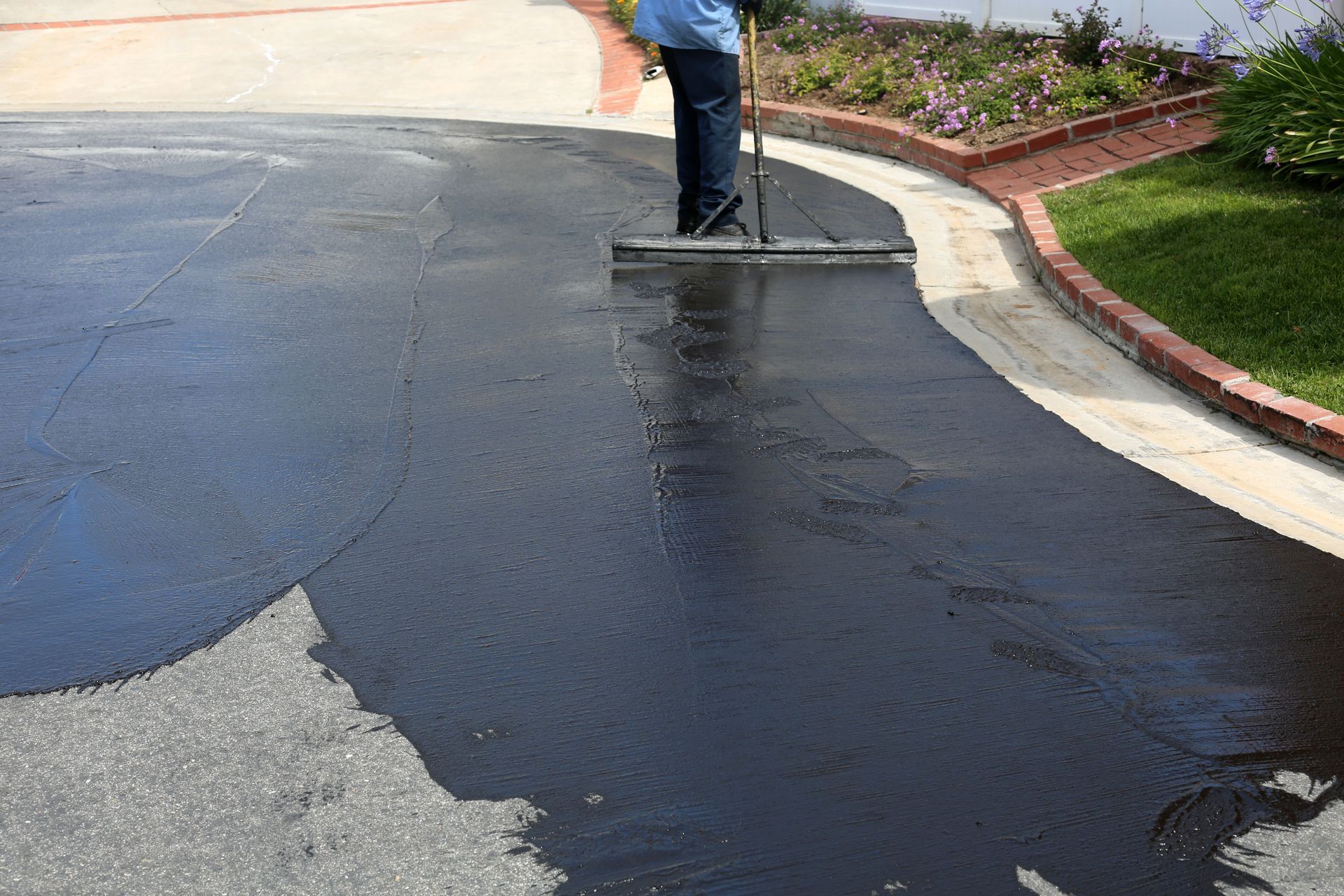
Restoring surface coloration and structural resilience requires targeted preventive maintenance strategies like commercial seal coating. Applying a high-grade protective sealant restores the dark finish while locking in essential binding oils and blocking harmful solar radiation. A reliable paving contractor evaluates surface health, cleans the pavement thoroughly, and applies sealants evenly across all targeted areas. Regular sealant application shields asphalt against chemical spills, water intrusion, and surface oxidation, extending overall pavement lifespan while enhancing the curb appeal of your commercial or residential property.
6. Fix Edge Disintegration and Erosion
Edge erosion and crumbling outer borders signal significant structural vulnerability along the perimeter of your paved surface. The outer edges of driveways, access roads, and parking lots are vulnerable because they lack lateral support from adjacent structures. Regular vehicle traffic along unsupported outer borders forces asphalt to break away, causing ragged, unraveling edges. Water runoff accelerates perimeter breakdown by washing away supporting subbase soil along edge borders. Addressing edge damage early prevents border unraveling from spreading inward toward the center of your primary paved area.
Common causes of edge failure include insufficient base width, poor side drainage, and heavy vehicle parking along outer boundaries. Repairing edge erosion requires stabilizing peripheral borders, backfilling eroded voids, and applying protective edge sealants or heavy concrete restraints. Consulting a skilled paving contractor ensures that structural support is properly restored along edge borders through specialized compaction methods and high-strength materials. Implementing reinforced perimeter protection fortifies overall surface stability, preserving your property layout and preventing continuous edge crumbling for years to come.
Recognizing early warning indicators such as surface cracks, uneven areas, standing water, pothole formations, color fading, and edge erosion is crucial for preserving your paved surfaces. Early intervention by qualified repair specialists prevents localized surface defects from expanding into widespread structural breakdown. Utilizing commercial equipment, specialized materials, and proven industry techniques ensures long-term structural integrity, optimal safety, and attractive property aesthetics. Routine preventive care and timely structural repairs remain the single most effective strategy for extending pavement performance, preventing hazardous property conditions, and keeping your surfaces functional.
Partnering with an experienced paving contractor delivers confidence knowing your commercial or residential property is maintained by dedicated industry professionals. Comprehensive maintenance programs keep driveways, parking lots, and pedestrian walkways safe, smooth, and resilient across all seasons of the year. If you notice any signs of surface wear, structural cracking, or edge breakdown on your property, reach out to us at Meade's Paving & Seal Coating to schedule a consultation and restore your paved surfaces today.